
An onstage slur involving two actors ignites debate over Tourette syndrome, harm and responsibility.
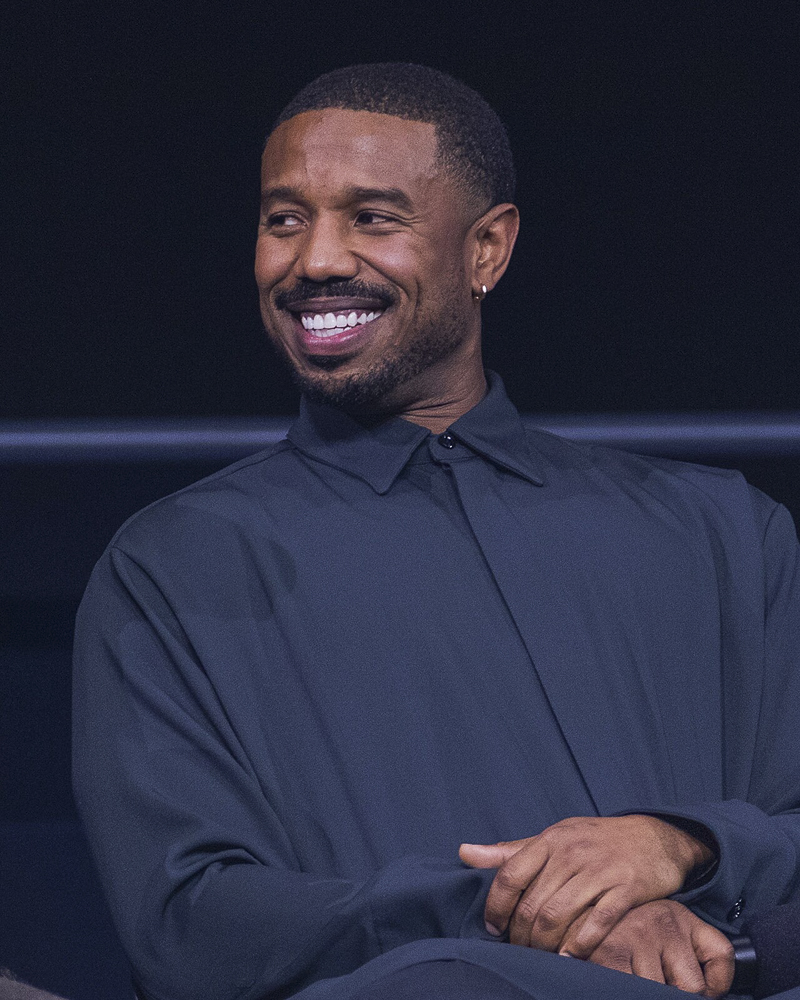
At the British Academy of Film and Television Arts awards this year, Michael B. Jordan and Delroy Lindo, stars of the smash hit film “Sinners,” took the stage to present the prize for Best Special Visual Effects. In the middle of the moment, a man in the audience shouted a racist slur. Though the actors remained professional and continued speaking, the shock and the harm of the interruption was unmistakable.
The individual was John Davidson, a disability activist living with Tourette syndrome. He had been invited to attend because a film based on his life, “I Swear,” was nominated for multiple awards that evening.
In the aftermath, online reactions were intense and deeply divided. Many expressed anger and disappointment that Lindo and Jordan had been subjected to such language, especially during such a celebratory moment for “Sinners,” which made history that night. This situation also sparked a difficult conversation about intent versus impact. While the outburst was involuntary, many argued that the harm had already been done and that it was reasonable to expect a public statement acknowledging and apologizing to those affected.
On the other side, people sympathetic toward Davidson urged compassion, pointing to Davidson’s condition and the complexities around it. Tourette syndrome is a neurological disorder characterized by involuntary, repetitive movements and vocal sounds known as “tics,” according to the National Institute of Neurological Disorders and Stroke.
Davidson has “coprolalia,” a relatively rare symptom of Tourette syndrome, which causes him to make involuntary outbursts of obscene words, which is what occurred during the BAFTA event. People familiar with his condition argued that he did not need to apologize because his actions were not intentional. They say he did not control what he said and should not be apologetic for his condition.
While I am in full agreement that no one should be expected to apologize for a disability, I do believe there is still room for acknowledging the impact and responding with empathy. In this case, that would mean acknowledging the harm caused and offering a personal apology to Delroy Lindo and Michael B. Jordan for the unintended hurt.
Such an apology would not be about expressing shame over his condition, but rather showing empathy toward those affected. This moment can be used to spread more awareness about coprolalia and Tourette syndrome so that in the future, people are more aware of this condition and can hold space for more nuanced conversations.
That said, my biggest concern in this situation is how the BBC, alongside the BAFTAs, handled the aftermath. Because the ceremony airs on a two-hour delay, there was ample time to remove any harmful or unsavory moments. This raises an unavoidable question: why was the slur not edited out of the broadcast?
This decision appears even more troubling when viewed in context. The broadcast reportedly did cut other segments, including one of Akinola Davies Jr., who won “Best Debut,” saying the words “Free Palestine” in his winning speech, which raises broader questions about what kind of speech broadcasters deem acceptable to air. There were also reports that another separate instance of a racial slur during the ceremony was removed from the broadcast.
The BBC has stated that leaving this moment in was simply an error. However, according to reports, Warner Bros., the production company behind “Sinners,” raised concerns immediately and urged the slur to be cut, yet no action was taken. This inevitably leads to skepticism about whether it was truly just a mistake.
Of course, it is possible that this was simply an editorial failure, as the BBC maintains. But regardless of intent, the situation has sparked necessary conversations about disability, accountability, media responsibility and empathy. Ultimately, whatever conclusions people reach, the most important takeaway should be a commitment to listening with compassion, nuance, and care for everyone affected.
